01.The honest answer up front
Printable planning wins for thinking, deciding, and reflecting. Digital planning wins for capturing, scheduling, and sharing. Most adults need both. The mistake is using one for the other — using a digital tool for reflection, or using a paper tool for capture. The right combination is small: one printable for the thinking parts of the week, one digital tool for the moving parts. Everything else is overhead.
The rest of this guide is about where the line falls and how to keep both tools out of each other's way.
02.Where paper wins
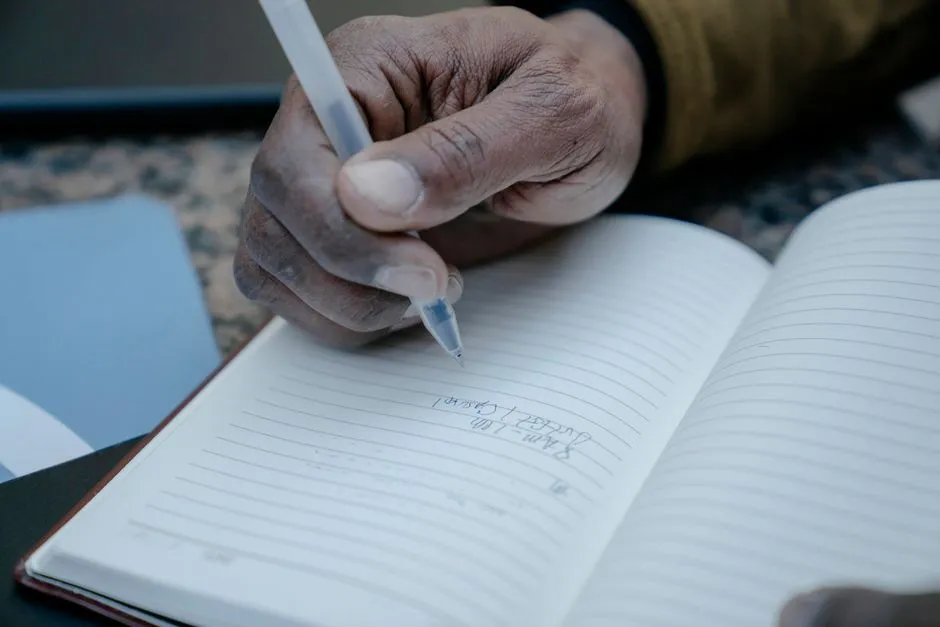
Paper wins for the parts of planning that benefit from slow friction. Reflection is the clearest example — writing yesterday's three lessons by hand changes how the lessons land. Budget writing is another — a number written by hand is a number you remember. Habit tracking is a third — a pen mark on a printable is a small physical commitment that a screen tap is not.
Paper also wins when there is too much going on inside your head and you need a single, quiet object that is not also a notification source. The phone is excellent at productivity and excellent at distraction; a printed page is only excellent at one of those.
03.Where digital wins
Digital planning wins for capture, search, and sharing. A shared family calendar is impossible on paper. A search across three years of meeting notes is impossible on paper. A reminder that follows you across devices is impossible on paper. Anything that benefits from search, sync, or shared access belongs in the digital tool.
Digital also wins for raw capture — a quick note typed into a phone at the bus stop is faster and more reliable than a paper notebook in your pocket. The capture goes into the digital inbox; the thinking about the captured item happens later, on paper.
04.A simple division of labour
Use the digital calendar for appointments, deadlines, and shared events. Use a digital task manager for the raw inbox of things you have agreed to do. Use the printable weekly planner for choosing which of those tasks will actually happen this week. Use the printable daily planner for sequencing today. Use the printable monthly review for the slow look back.
The division removes the most common source of planning fatigue: deciding where each thing belongs. Capture goes digital, choosing goes paper. Once the rule is clear, the planning system stops asking you to think about itself.
05.When to switch from one to the other
Switch from digital to paper when the digital tool stops landing — when you are checking the app and not feeling the numbers, when you are scheduling tasks and not finishing them, when you are tracking habits and not changing behaviour. The slow friction of paper will surface what the smooth surface of the app smoothed over.
Switch from paper to digital when the paper system can no longer scale — when there are too many recurring events, when the household needs a shared view, when search becomes a real need. Most adults switch in both directions across a year, and that is fine.
06.A starter combination
If you are starting from scratch, try this for a month: a digital calendar (whatever you already use), a digital task manager (also whatever you already use), the Sunday Reset Planner from the weekly planners collection on paper, the Time-Block Daily Planner from the daily planners collection on paper, and the Monthly Reflection Spread from the monthly planners collection on paper. Print three months at a time and keep them in a single thin binder near the kettle.
At the end of the month, look at which paper pages you actually used. Keep those, drop the rest, and add one new page from the catalogue. After three months, the combination will be yours.
07.The honest closing
There is no virtuous answer to printable versus digital. The right system is the one you keep. Most weeks, the win is not the system; it is the fifteen minutes of quiet thinking the system makes room for. Whichever tool delivers the fifteen minutes wins.
08.Printables that pair with this guide
Each printable mentioned in this piece lives in the Daily Planners collection. Print one this week and use it alongside the method above.
Classic Daily Planner
A timeless one-page layout with the day at the top, a top-three priorities block, and an hourly schedule from 6 a.m. to 10 p.m.
Time-Block Daily Planner
Half-hour rows from 5 a.m. to 11 p.m. so you can defend deep work and meeting blocks against drift.
Morning & Evening Routine Page
A two-column daily page with morning and evening routine checklists alongside the day plan.
Minimalist Dot-Grid Daily
A nearly empty dot-grid page with the date, three priorities, and open space for the rest.